
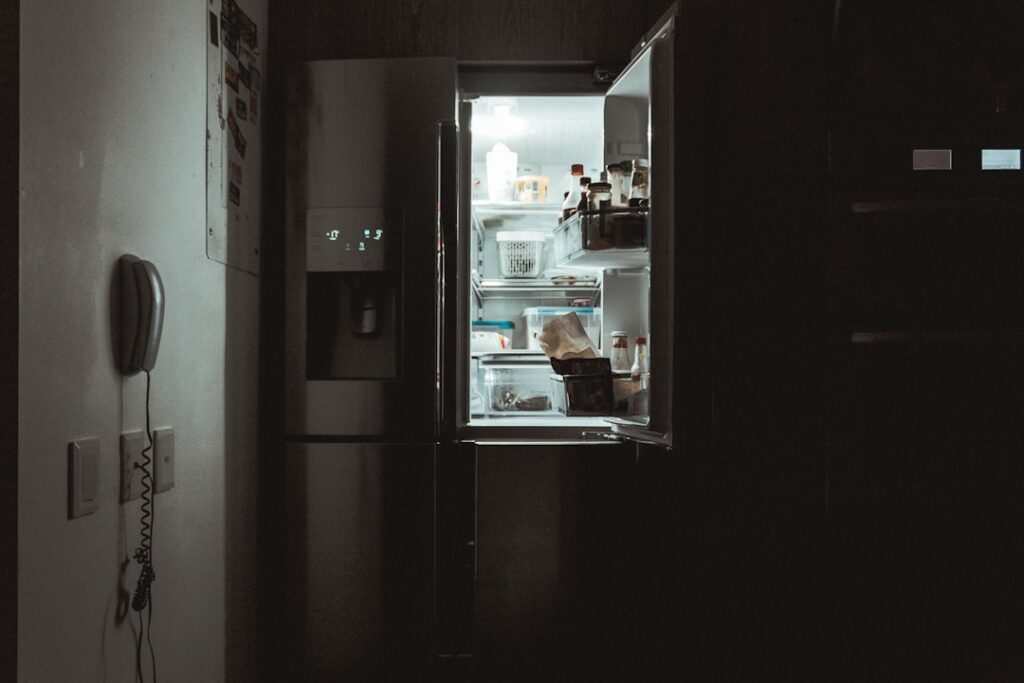
Your refrigerator stopped cooling, but the freezer still seems fine. That is frustrating, especially when you are trying to save groceries and figure out whether this is a simple airflow problem or something more serious. In most cases, this specific symptom points to a cold-air circulation issue between the freezer and fresh food section, not an immediate sealed-system failure.
At Clear Services Appliance Repair, we see this problem all the time in homes across Frisco, Plano, McKinney, and Celina. The good news is that there are a few safe checks you can do yourself before you call. The three most likely culprits, in order, are a failed evaporator fan motor, a damper control stuck closed, or a frozen defrost system that has choked off airflow.
Why Your Freezer Works Fine but Your Fridge Won’t Cool
If the freezer is cold but the refrigerator compartment is warm, the issue is usually not that the machine has stopped making cold air. It is usually that the cold air is not moving where it needs to go. On most refrigerators, the freezer creates the cold and a fan plus an air passage move some of that cold air into the fresh food side.
That means the freezer can stay cold while milk, leftovers, and produce in the refrigerator side start warming up. If you are dealing with this right now, keep refrigerator door openings short and move highly perishable food if the fresh food section has been above safe temperature for long enough to worry you. If you are trying to decide whether repair is worth it, our refrigerator repair cost page can help you understand the usual next step.
The #1 Suspect: Evaporator Fan Motor
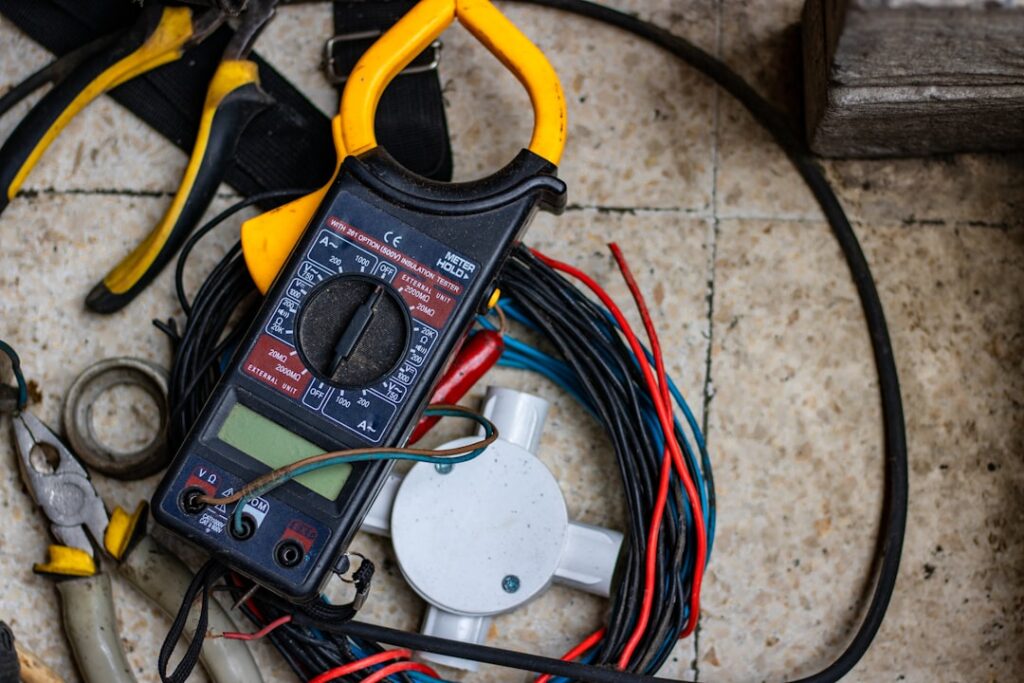
The most common cause is the evaporator fan not moving cold air out of the freezer and into the refrigerator section. When that fan slows down, gets noisy, or stops completely, the freezer may still feel cold near the evaporator area while the fridge side gets warmer by the hour.
What the evaporator fan does
Inside many refrigerator designs, the evaporator fan pulls air across the cold evaporator coil and circulates it through both compartments. If that airflow stops, the fresh food side loses cooling first. This is why homeowners often describe the problem as “freezer okay, fridge warm.”
Signs the fan may be failing
Look for a fridge section that is warming up even though the freezer still has ice, a freezer that seems colder in the back than near the door, or a buzzing, chirping, or grinding noise from the freezer area. Another strong clue is silence. If you open the freezer and never hear a circulation fan running after the door switch is pressed, the fan becomes a top suspect.
Safe DIY checks
First, open the freezer and listen. Then press and hold the door switch with your finger, because many refrigerators stop the fan when the door is open. Wait a few seconds and listen for a small fan sound. If you hear nothing, or you hear a weak or rough sound, that points toward a fan problem.
Next, feel for airflow at the vents where cold air normally enters the refrigerator compartment. If the freezer is cold but airflow is weak or missing, that supports the same diagnosis. Do not start removing freezer panels unless you are comfortable unplugging the unit and handling interior components carefully.
Check #2: The Damper Control or Air Diffuser
If the evaporator fan is running, the next likely issue is the damper control. This is the little door that opens and closes to let cold freezer air enter the refrigerator section. If it sticks closed, the freezer can stay cold while the fresh food side gets almost no airflow.
What a stuck damper looks like
A stuck damper often causes a warm refrigerator with a fairly normal freezer and little or no cold air entering the fridge vent. Some homeowners notice the fridge warms gradually instead of all at once. Others hear the fan running but still do not feel air movement where it should be coming through.
How to check it safely
Start by locating the air vent or diffuser in the refrigerator section, usually near the top rear or side wall. Put your hand near that vent and check for airflow while the unit is running. Adjust the refrigerator temperature setting colder and wait a few minutes. On some models, this should call for more cooling and open the damper.
If you can access the vent cover without disassembling major panels, look for obvious ice blockage, food packaging pushed against the vent, or a flap that seems jammed. On some models you may be able to gently observe whether the flap moves. Do not force it. A broken damper assembly can turn a small repair into a bigger one.
If you own a brand-specific model and want more targeted help, you can also check our refrigerator pages for LG refrigerator repair, Whirlpool refrigerator repair, and Samsung refrigerator repair.
Check #3: A Frozen Defrost System

If frost has built up behind the freezer panel, the refrigerator may still be making cold air but not moving it properly. A defrost system problem can slowly bury the evaporator coil in ice, block airflow, and create the exact “freezer cold, fridge warm” symptom you are seeing.
What to look for
Look for heavy frost on the back wall of the freezer, snow-like ice around vents, or a fan that sounds like it is hitting ice. You may also notice the fridge gets worse over several days rather than failing in one moment. That pattern often points to a defrost issue instead of a sudden fan failure.
What a homeowner can safely do
You can inspect visible frost and make sure vents are not blocked by food containers. If frost is obvious, unplugging the refrigerator and doing a controlled manual defrost can sometimes temporarily restore airflow. Protect the floor with towels, keep doors open, and allow enough time for ice to melt naturally. Do not chip ice with a knife or use high heat, because that can damage liners, wiring, and hidden components.
If cooling returns after a full defrost but the problem comes back, that usually means one part of the defrost system is failing and the unit needs diagnosis. That can involve the heater, thermostat, sensor, timer logic, or control board, depending on the model.
Step-by-Step: How to Diagnose the Problem Yourself

If you want to narrow this down before calling, move through the checks in order. Start with airflow, then the damper, then frost buildup. This approach saves time and helps you avoid tearing into parts of the refrigerator that are not related to the symptom.
| Check | What You Notice | Most Likely Cause | Safe Next Step |
|---|---|---|---|
| Press freezer door switch and listen | No fan sound or rough fan noise | Evaporator fan motor | Unplug unit before any panel removal and schedule service if needed |
| Feel vent airflow in fridge section | Fan seems to run but little or no cold air enters fridge | Damper stuck closed or airflow blockage | Check vent area for blockage and do not force the flap |
| Inspect freezer rear wall and vents | Heavy frost or ice buildup | Frozen defrost system | Perform a safe manual defrost and monitor whether problem returns |
| Look for sealed system concerns | Oily residue, chemical smell, weak cooling in both sections | Possible sealed system or refrigerant issue | Stop DIY work and call a professional |
Here is the simple order we recommend. Step one, confirm the freezer is truly colder than the fridge and that the issue is not just a temperature setting mistake. Step two, listen for the evaporator fan by pressing the freezer door switch. Step three, check whether cold air is reaching the refrigerator vent. Step four, inspect for frost buildup that suggests a defrost failure.
If you are experiencing these symptoms, our team at Clear Services Appliance Repair can help. If you call 469-318-9918 before noon, we can often get a technician out the same day in Frisco, Plano, McKinney, Prosper, and nearby North Texas neighborhoods.
When This Is Beyond a DIY Fix and Why That’s Okay
If your checks point to wiring, control board issues, refrigerant problems, or anything inside the sealed system, that is the point to stop. You are not giving up. You have already done the useful homeowner-level diagnosis, and that makes the repair faster and more accurate when a technician arrives.
There is one clear safety line here. If you see oily residue, suspect a refrigerant leak, notice that both sections are struggling, or think the compressor is involved, do not keep disassembling the refrigerator. Sealed-system and refrigerant work require specialized tools and training. This is especially true in North Texas summers, when a struggling fridge can lose ground fast after repeated door openings.
At Clear Services Appliance Repair, we keep this straightforward. If the repair makes sense, we will explain the issue in plain English and give you a clear next step. If it is not worth repairing, we will tell you that too. Contact Clear Services Appliance Repair today to schedule a consultation, or text us a photo of your model and serial plate so we can show up prepared with the right parts.
Frequently Asked Questions
Homeowners usually want to know whether this symptom means the compressor is bad, whether a manual defrost is a real fix, and how quickly food needs to be moved. In many cases, the problem is still an airflow issue, not the most expensive failure. That is why these basic checks are worth doing before you assume the worst.
Frequently Asked Questions
Why is my refrigerator warm if the freezer is still cold?
Usually because the refrigerator is still making cold air in the freezer, but that air is not circulating into the fresh food section. The most common reasons are an evaporator fan failure, a stuck damper control, or frost buildup from a defrost problem.
Can I keep using the refrigerator if the freezer still works?
You can sometimes use the freezer for a short time, but the fresh food section may not stay at a safe temperature. Keep door openings to a minimum and move highly perishable food if the refrigerator compartment has been warming.
How do I know if the evaporator fan is bad?
A failed evaporator fan often causes a warm fridge with a still-cold freezer. Press the freezer door switch and listen for the fan. If there is no sound, weak airflow, or a grinding noise, the fan is a strong suspect.
Will defrosting the refrigerator fix the problem?
If frost buildup is blocking airflow, a full manual defrost may temporarily restore cooling. If the problem comes back, a defrost system component likely needs repair.
When should I stop DIY troubleshooting and call a professional?
Stop if you suspect a refrigerant leak, compressor problem, wiring issue, or anything involving the sealed system. Those repairs need specialized tools and training, and pushing further can make the problem worse.
